
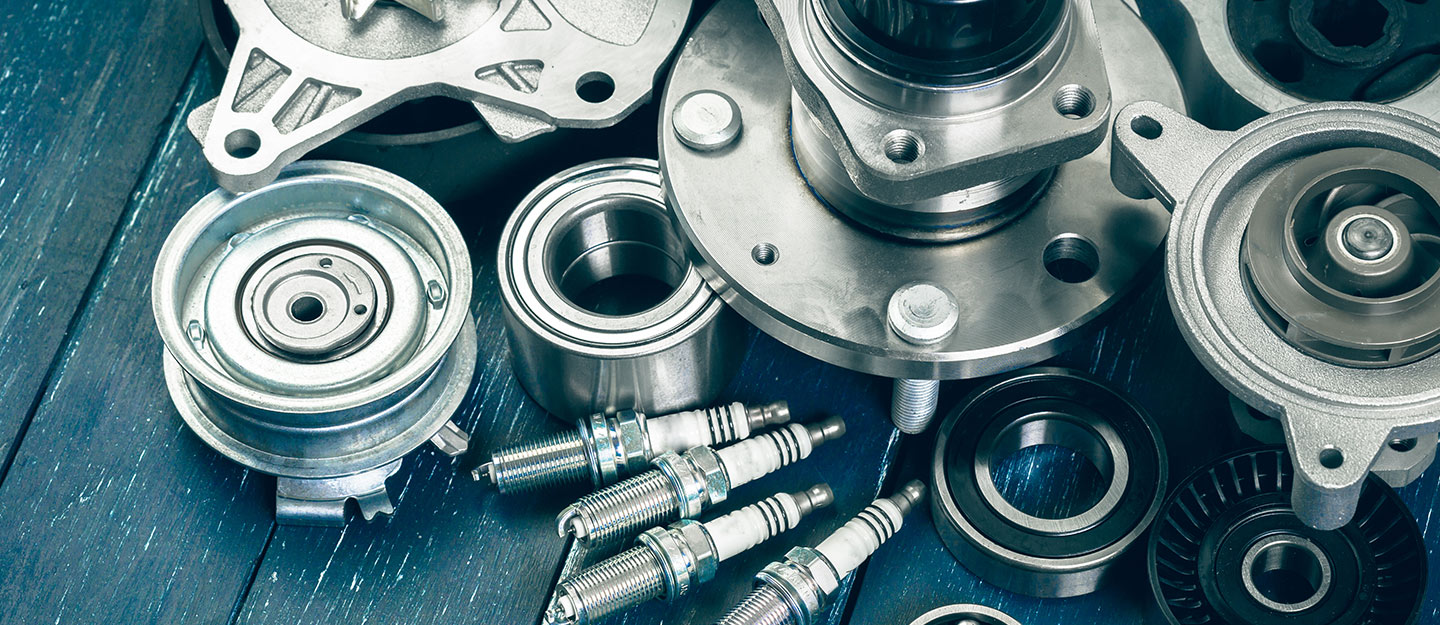
Buying the right auto parts isn’t just about price—it’s about safety, performance, and long-term value. Low-quality components can wear out quickly, damage other systems, or even put you at risk on the road. Knowing how to distinguish high-quality parts from inferior ones helps you make smarter decisions and avoid costly mistakes.
Visual Inspection – The First Clue
A careful visual check often reveals a lot about a part’s quality.
What to look for:
- Smooth, clean finishes without rough edges
- Uniform color and coating
- Solid construction with no cracks or weak joints
Red flags:
- Rust or corrosion on new parts
- Poor welding or loose components
- Lightweight feel when it should be sturdy
Check the Brand Reputation
Established brands invest in testing and quality control, making them more reliable.
Tips:
- Choose well-known or OEM (Original Equipment Manufacturer) brands
- Read verified customer reviews
- Ask mechanics for trusted recommendations
Avoid:
- Unknown brands with no reviews
- Products with inconsistent feedback
Verify Certifications and Standards
High-quality auto parts often meet industry standards and certifications.
Look for:
- ISO certifications
- Manufacturer quality seals
- Compliance with safety regulations
These indicators suggest the part has undergone proper testing and meets minimum quality benchmarks.
Compare Price vs Value
Price can be a strong indicator—but not always in the way you expect.
Key insights:
- Extremely cheap parts often compromise on materials
- Very expensive doesn’t always mean best
Smart approach:
- Compare multiple options
- Focus on durability and warranty rather than just price
Evaluate Material Quality
The materials used determine how long the part will last.
Examples:
- High-grade steel for durability
- Heat-resistant plastics for engine components
- Premium rubber for seals and hoses
Warning signs:
- Brittle plastic
- Thin metal components
- Unusual odors from rubber parts
Check Fit and Compatibility
Even a high-quality part is useless if it doesn’t fit your vehicle correctly.
What to confirm:
- Exact model and year compatibility
- OEM part numbers
- Proper dimensions and specifications
Tip: Always cross-check with your car manual or consult a professional before purchasing.
Inspect Packaging and Labels
Quality manufacturers pay attention to packaging as well.
Signs of authenticity:
- Clear labeling with part number
- Manufacturer details and contact information
- Secure and professional packaging
Be cautious of:
- Spelling errors
- Missing labels
- Tampered packaging
Warranty and Return Policy
A good warranty reflects confidence in product quality.
Look for:
- At least 6–12 months warranty
- Easy return or replacement policy
Why it matters:
- Protects your investment
- Indicates manufacturer reliability
Source from Trusted Sellers
Where you buy matters as much as what you buy.
Best options:
- Authorized dealers
- Reputable auto parts stores
- Verified online platforms
Avoid:
- Unverified sellers offering deep discounts
- Deals that seem too good to be true
Seek Professional Advice
If you’re unsure, consult someone with experience.
Helpful sources:
- Mechanics
- Car service centers
- Automotive forums and communities
Their insights can help you avoid poor-quality purchases and find reliable options.
Final Thoughts
Identifying high-quality auto parts requires a mix of observation, research, and practical judgment. By focusing on material, brand, compatibility, and seller credibility, you can ensure your vehicle stays safe, efficient, and reliable.
FAQs
1. Are OEM parts always better than aftermarket parts?
OEM parts are designed specifically for your vehicle, but high-quality aftermarket parts can offer similar performance at a lower cost.
2. How can I spot counterfeit auto parts?
Check for poor packaging, missing certifications, unusually low prices, and lack of manufacturer details.
3. Is it safe to buy auto parts online?
Yes, as long as you purchase from trusted platforms and verified sellers with good reviews.
4. What role does warranty play in choosing auto parts?
A warranty indicates product reliability and protects you from defects or early failure.
5. Can cheap auto parts damage my car?
Yes, low-quality parts can wear out quickly and may harm other components over time.
6. How important is material quality in auto parts?
Material quality directly affects durability, performance, and resistance to heat and wear.
7. Should I always consult a mechanic before buying parts?
It’s not mandatory, but it’s highly recommended if you’re unsure about compatibility or quality.