
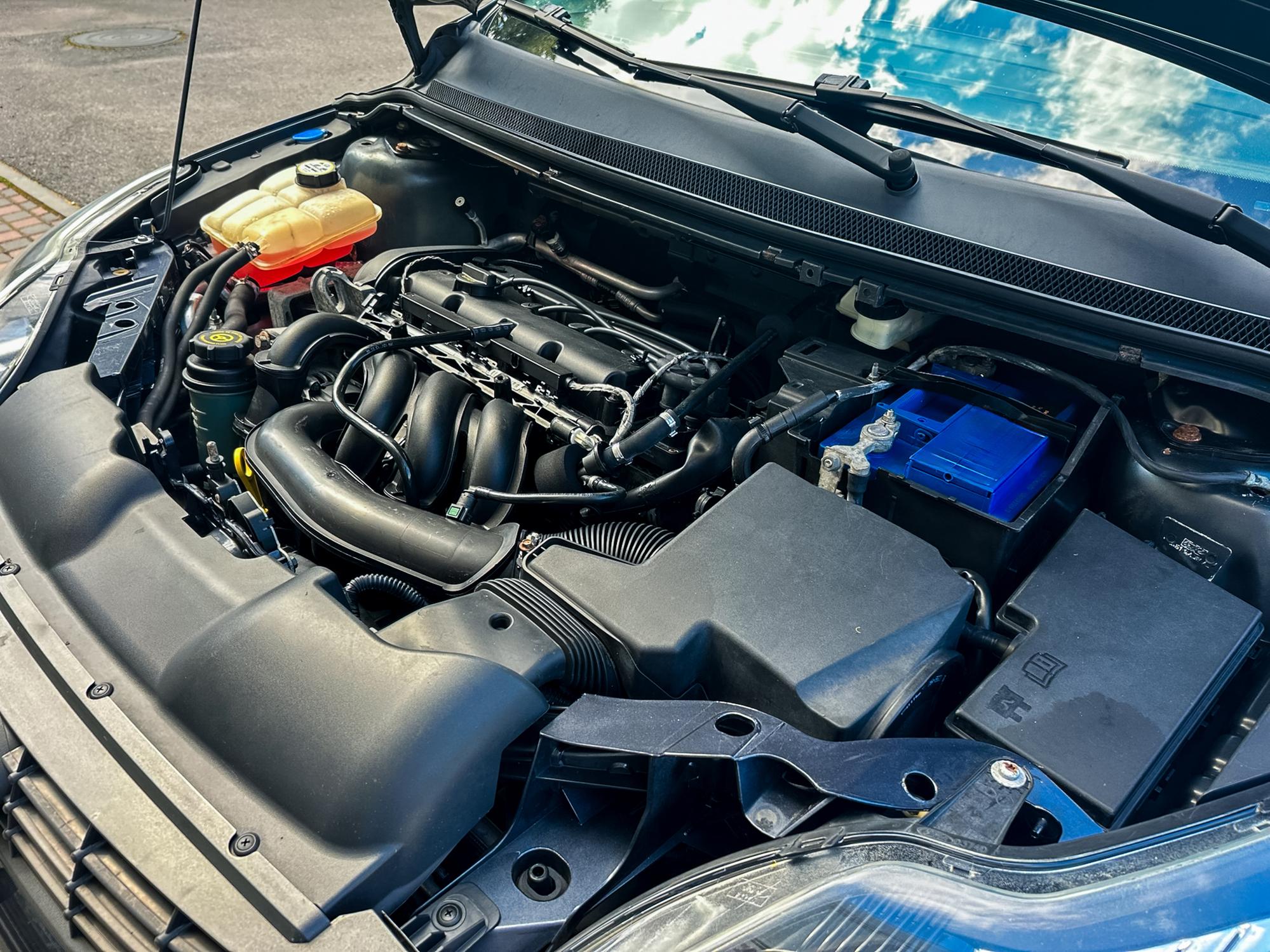
Understanding your car isn’t just for mechanics. Even a basic awareness of key auto parts can save you money, prevent breakdowns, and help you communicate confidently with technicians. Below are ten essential components every car owner should know—what they do, why they matter, and how to spot trouble early.
Engine – The Heart of Your Car
The engine converts fuel into mechanical power, enabling your vehicle to move. It’s a complex system of pistons, valves, and cylinders working in sync.
Why it matters:
- Powers the entire vehicle
- Determines performance and fuel efficiency
Watch for:
- Knocking sounds
- Excessive smoke
- Sudden loss of power
Battery – Your Car’s Electrical Backbone
The battery supplies electricity to start the engine and power electronics like lights, infotainment, and sensors.
Key points:
- Typically lasts 3–5 years
- Sensitive to extreme temperatures
Signs of failure:
- Slow engine crank
- Dim headlights
- Clicking sound when starting
Alternator – Keeps the Battery Charged
Once the engine is running, the alternator generates electricity and recharges the battery.
Importance:
- Powers electrical systems while driving
- Prevents battery drain
Common symptoms:
- Battery warning light
- Flickering lights
- Electrical malfunctions
Radiator – Controls Engine Temperature
The radiator prevents overheating by cooling the engine using circulating coolant.
Why it’s critical:
- Maintains safe engine temperature
- Prevents engine damage
Warning signs:
- Overheating engine
- Coolant leaks
- Steam from the hood
Brake System – Your Safety Lifeline
Your car’s brakes include pads, rotors, and calipers that work together to stop the vehicle.
Key components:
- Brake pads
- Brake discs (rotors)
- Brake fluid
When to act:
- Squeaking or grinding noise
- Vibrations while braking
- Reduced stopping power
Transmission – Transfers Power to Wheels
The transmission ensures the right amount of power goes to your wheels by adjusting gear ratios.
Types:
- Manual
- Automatic
Common issues:
- Gear slipping
- Delayed shifting
- Fluid leaks
Suspension System – Smooth Ride and Stability
The suspension system includes shocks, struts, and springs that absorb road bumps and keep tires in contact with the road.
Benefits:
- Comfortable ride
- Improved handling
Symptoms of wear:
- Uneven tire wear
- Excessive bouncing
- Poor steering control
Exhaust System – Reduces Emissions and Noise
The exhaust system directs harmful gases away from the engine and reduces emissions.
Components:
- Muffler
- Catalytic converter
- Exhaust pipes
Signs of trouble:
- Loud engine noise
- Reduced fuel efficiency
- Strong exhaust smell
Fuel System – Delivers Energy to the Engine
The fuel system includes the fuel pump, injectors, and tank that deliver fuel to the engine.
Why it matters:
- Ensures proper combustion
- Affects performance and mileage
Red flags:
- Difficulty starting
- Poor acceleration
- Engine misfires
Air Filter – Protects the Engine
The air filter keeps dust and debris from entering the engine.
Benefits:
- Improves fuel efficiency
- Extends engine life
Maintenance tip:
- Replace every 10,000–15,000 km (or as recommended)
Starter Motor – Gets the Engine Running
The starter motor uses battery power to crank the engine when you turn the key or press the start button.
Failure signs:
- Clicking noise
- Engine won’t start
- Intermittent starting issues
Final Thoughts
Knowing these essential auto parts gives you an edge as a car owner. You don’t need to be an expert, but recognizing early warning signs can prevent costly repairs and keep your vehicle running smoothly for years.
FAQs
1. How often should I service my car’s essential components?
Most vehicles should be serviced every 6 months or 5,000–10,000 km, depending on usage and manufacturer guidelines.
2. What is the most important part of a car?
While all parts are important, the engine and brake system are the most critical for performance and safety.
3. How can I tell if my car battery needs replacement?
Look for slow starts, dim lights, or if the battery is older than 3–5 years.
4. Why is my car overheating?
Common causes include low coolant, radiator issues, or a failing thermostat.
5. What happens if I ignore brake problems?
Ignoring brake issues can lead to longer stopping distances and increased risk of accidents.
6. How do I improve my car’s fuel efficiency?
Regular maintenance, clean air filters, proper tire pressure, and smooth driving habits help improve mileage.
7. Can I replace basic auto parts myself?
Yes, parts like air filters, wiper blades, and sometimes batteries can be replaced at home with basic tools.