
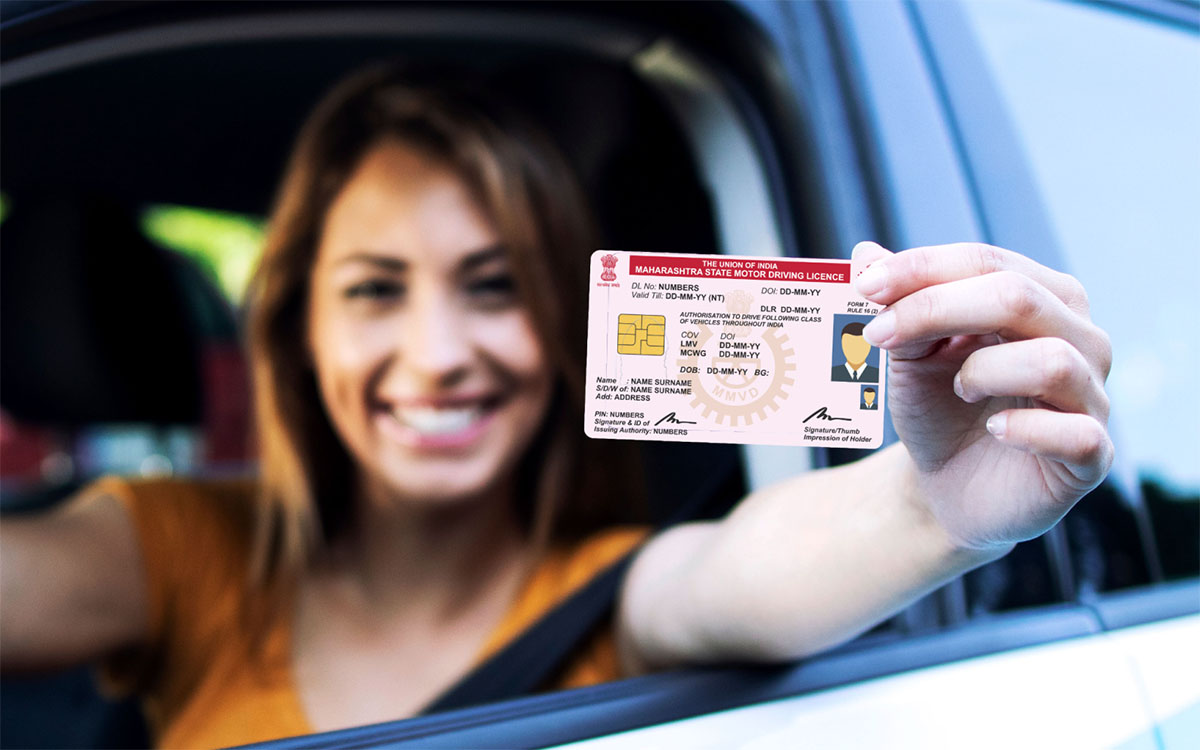
Due to Dubai’s rapid and modern road infrastructure, driving has become an important skill for the residents. A LMV driving license (Light Motor Vehicle) is generally considered the first and most important step in most cases, no matter whether you are a student, working professional, or someone who wants to make daily life more convenient. However, the process could be a daunting one if you are not well prepared. It is the extent of the difference that enrolling in structured, well-recognized training programs makes. From choosing the right school to acing your test, this blog walks you through everything you need to prepare for your LMV license in the city.
What Is an LMV Driving License?
In the United Arab Emirates, an LMV driving license is the legal permit for the operation of light vehicles, including sedans, hatchbacks, and compact SUVs. It is given by the Roads and Transport Authority (RTA) after the applicant successfully passes the theoretical and practical driving tests. The license procedure also involves a number of obligatory activities such as lessons in the classroom, simulation training, and live driving practice.
It does not matter if you are a complete beginner or have some previous driving experience; the key to passing the RTA driving test lies in knowing the local regulations and the training process.
Why Proper Training Matters
Driving in Dubai is definitely not only about using a car, but it is also about fitting oneself into the high-speed, multi-lane, and rule-bound driving culture. Professional instruction guarantees that you have a thorough understanding of the local road signs, speed limits, lane usage, and how to respond to hazards. Most importantly, it equips you to react in an unexpected situation with confidence and calm.
The driving schools in Dubai offer a training program that is in full accordance with the RTA authority. The programs are designed to help learners develop their knowledge and practical skills necessary for a successful road test and be responsible on the road.
Key Components of a Driving Class
This is the general content of a structured driving course:
- Theory Lessons
First of all, you have to take theory classes in which you learn the traffic rules, signs, and safety instructions. These lessons enable you to take RTA’s theory test, which you need to pass before getting practical training.
- Simulation Training
Furthermore, several organizations have simulator sessions and virtual drives for those who have not driven before. By utilizing these tools, the driver can simulate the actual condition; however, without dealing with unexpected situations that may come from others due to traffic.
- Yard or Parking Ground Training
In an area that is free from any obstacles, students practice techniques that are essential, such as:
- Parallel parking
- Garage parking
- Hill starts
- Three-point turns
Passing the internal assessment and the final parking test requires the use of these techniques.
- On-Road Driving Practice
This stage means getting on the road with the instructor watching over you. You will be driving not only on the streets of the city, but also at the intersections, as well as on the highway. Now is the time when the students become proficient in gear switches (for manual vehicles), lane discipline, speed control, and decision-making in traffic.
Choosing the Right Driving School
When comparing driving classes in Dubai, you need to bear these criteria in mind:
- RTA Accreditation: The school must be certified by the RTA to ensure that it has a curriculum that is legal and that the students are provided with the necessary knowledge to comply with the driving regulations.
- Qualified Instructors: Instructors should have several years of experience, be very patient with the students, and also be able to speak several languages fluently in order to serve the people of Dubai, which is a very diverse population.
- Vehicle Options: Decide between cars with automatic or manual transmissions, depending on what type of license you will have.
- Training Hours: Be sure to check how many lessons you need if you have different driving experience.
- Class Flexibility: Options like evenings or weekends are perfect for working people or students who need to work around their schedules.
Moreover, female instructors’ schools may be a favorite among some women learners. Always drop by the institute and have a face-to-face with the trainers if it is possible to find out more about their facilities and meet the trainers.
Course Duration and Fees
The course duration varies according to your experience level:
- Beginners typically require 20 to 40 hours of hands-on lessons.
- Experienced drivers (with a license from another country) can reduce the number of training hours needed.
The price ranges from AED 4,000 to AED 7,000, depending on the number of lessons (manual or automatic), road test attempts, and other factors. Such a sum often covers registration, training sessions, RTA test fees, and learning materials.
Many driving schools provide flexible payment plans and discounted retest bundles to help reduce the financial burden.
RTA Test Process: What to Expect
Eligibility for the final road test comes only after passing internal evaluations in theory, parking, and simulation, if it’s part of your course.
The RTA final test checks:
- Driving defensively
- Proper lane usage
- Traversing a roundabout
- Observation and mirror usage
- Parking in real conditions
Being nervous is common during the test, but if you practice enough, the process will be easy. Concentrate on mirror checks and keeping a safe distance and speed.
Common Mistakes to Avoid
Many candidates fail the RTA test because they do not make driving errors, but they make small mistakes. The list shows some frequent issues:
- Incomplete Stop at Stop Signs: Always stop completely before moving on.
- Ignoring Blind Spots: When changing lanes, do not forget to look over your shoulder.
- Harsh Braking or Acceleration: Keep a smooth control throughout.
- Not following the speed limits: Even on a road with no cars, adhere to the posted limit.
Discipline and awareness are more important in achieving success than technical skill alone.
Tips to Succeed in Your Training
- Practice Consistently
- Review Class Notes
- Listen to Your Instructor
- Avoid Absences
- Stay Calm
Life After Getting Your License
After you have successfully passed, you will get a temporary one, and then the permanent one will be sent to you within a few days. The LMV license that is recognized across the UAE and by a number of other countries is valid for short-term travel only.
Always follow the rules of the road, wear your seatbelt, don’t distract yourself, and never drive if you are tired. The skills and habits that you develop in the course of your training are the basis for safe driving throughout your life.
Conclusion
There is no doubt that the road conditions in Dubai are very challenging, and thus, it requires a lot of dedication and the right kind of guidance to master the skills necessary to drive in a fast city like Dubai. If you have never driven before or come back after a long time, signing up for driving classes in Dubai will definitely train you to confidently meet the RTA standards. With solid preparation and a calm, confident mindset, passing your LMV test and getting licensed is absolutely achievable.