
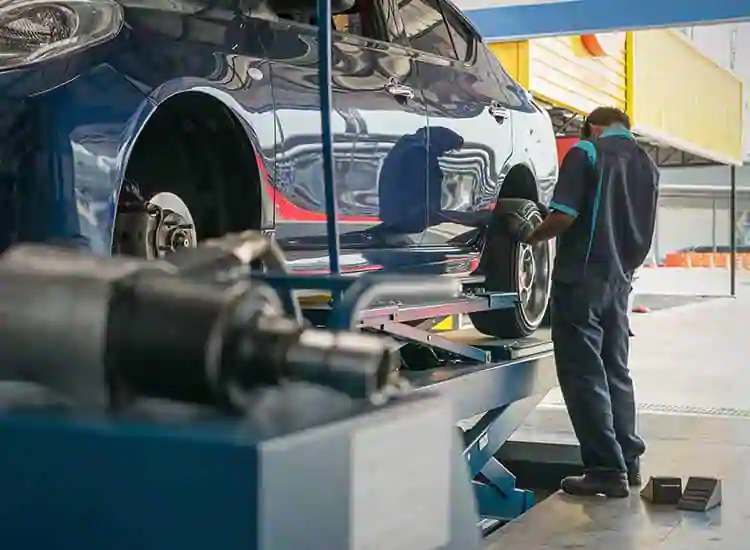
Body shops depend on repair equipment that can perform consistently under pressure. When choosing a body shop repair equipment manufacturer, workshop owners should think about engineering quality, repeatability, safety, service support and whether the equipment can help technicians meet modern repair expectations.
Precision Equipment Must Be Built For Repeated Use
Repair equipment is used in demanding environments. It may be moved, loaded, adjusted, clamped, pulled against and relied upon day after day. If the equipment is not engineered properly, small weaknesses can affect safety, accuracy and productivity.
Structural repair equipment in particular needs to hold position and perform consistently. A measuring system, bench, jig, clamp or pulling system that varies under load can undermine the repair process. The workshop needs confidence that the equipment is doing what it is supposed to do each time it is used.
Manufacturing quality therefore affects more than product lifespan. It affects the trust technicians place in the repair process. If technicians doubt the equipment, they may work more slowly, check repeatedly or develop workarounds that reduce efficiency.
Modern Vehicle Construction Raises The Standard
Vehicles are built with increasingly complex structures. Mixed materials, stronger steels, aluminium components and integrated safety systems mean repair methods have to be controlled carefully. The equipment used in the workshop must be capable of supporting that level of precision.
A manufacturer that understands modern repair requirements can design equipment around real workshop needs. This may include accurate vehicle holding, controlled pulling, measuring compatibility, modular fixtures and accessories that help technicians work across different vehicle types.
The repair industry cannot rely on outdated assumptions. Equipment must evolve with vehicle design. A body shop investing in new systems should consider whether the manufacturer is supporting where repair work is going, not only where it has been.
Safety Depends On Design And Correct Use
Body shop equipment often deals with force, weight and tension. Poorly made or poorly matched equipment can create risks for technicians and vehicles. Clamps, anchoring systems, pulling towers and benches all need to be designed to work safely under expected loads.
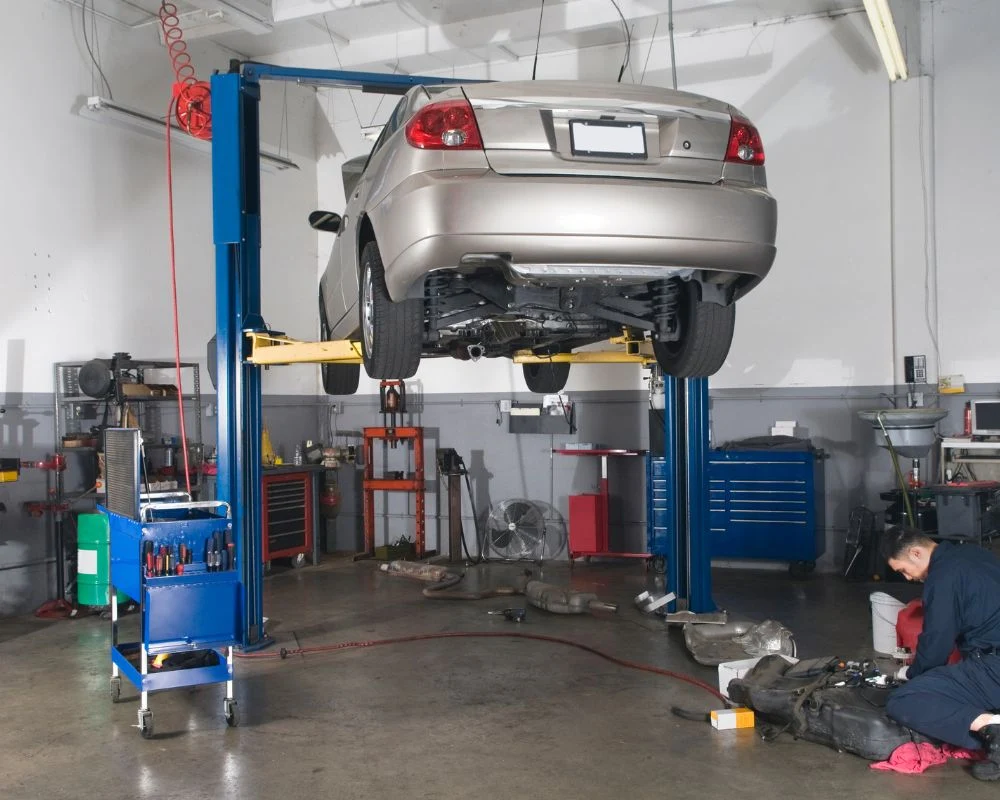
Safety is also connected to clarity. Equipment should be understandable, properly documented and supported with training where needed. If technicians do not know the correct setup or load limits, the risk of misuse increases.
A reliable manufacturer helps reduce that risk by designing equipment with proper engineering principles and clear operating guidance. Safety should be built into the system, not treated as an afterthought.
Long-Term Availability Supports Workshop Planning
Repair equipment may remain in use for many years, so long-term support matters. Workshops need to know whether spare parts, accessories, updates and technical support will be available. A low-cost purchase can become expensive if the equipment cannot be maintained or expanded later.
This is particularly important for businesses that want to grow into more advanced repairs. As the workshop takes on new vehicle types or more complex structural work, it may need additional fixtures, clamps or measuring support. Equipment that can adapt offers more long-term value.
A strong manufacturer gives body shops more than a product. It gives them a platform for accurate, repeatable and safer repairs. When engineering quality, support and repair capability are considered together, the purchase decision becomes much more reliable.