
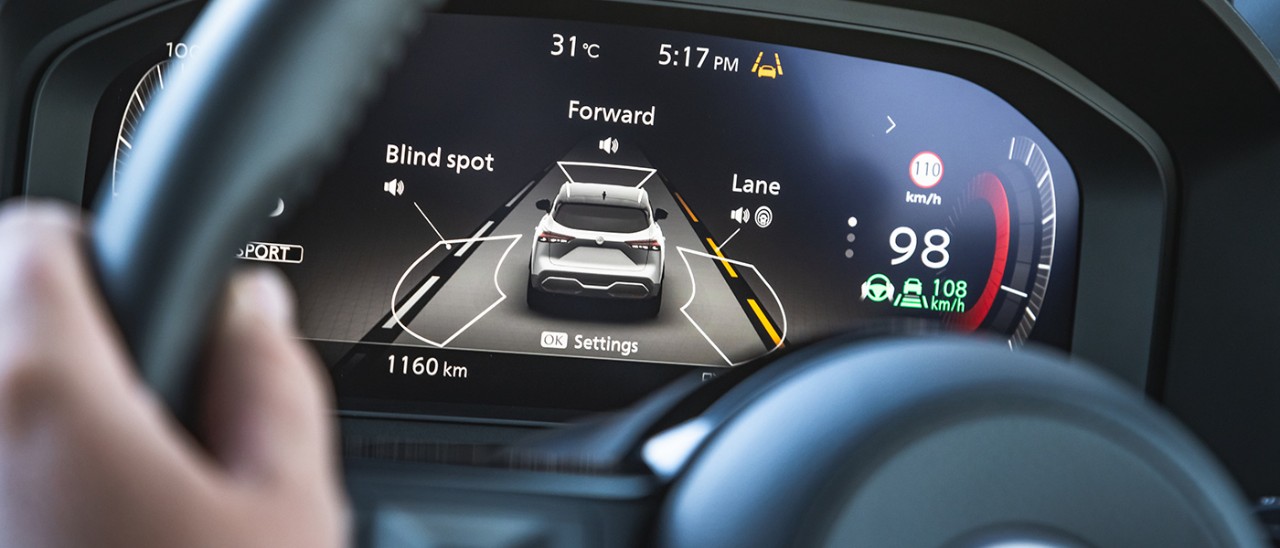
Road safety has evolved dramatically over the past few decades. What once relied purely on driver skill now benefits from intelligent systems designed to prevent accidents and reduce injury severity. Modern vehicles are equipped with advanced safety technologies that actively protect drivers, passengers, and pedestrians.
The Evolution of Car Safety
Early safety features focused on minimizing injury after a crash. Today, innovations aim to prevent accidents altogether.
Two main categories:
- Passive safety: Protects occupants during a crash (e.g., airbags, seatbelts)
- Active safety: Helps avoid accidents (e.g., braking assist, sensors)
Advanced Driver Assistance Systems (ADAS)
ADAS represents a major leap in vehicle safety by using sensors and software to assist drivers.
Key features include:
- Lane Departure Warning (LDW): Alerts when the car drifts out of its lane
- Lane Keeping Assist (LKA): Gently steers the vehicle back into the lane
- Adaptive Cruise Control (ACC): Maintains safe distance from vehicles ahead
Why it matters:
- Reduces driver fatigue
- Minimizes human error
Automatic Emergency Braking (AEB)
Automatic Emergency Braking detects potential collisions and applies brakes if the driver fails to respond.
Benefits:
- Prevents rear-end collisions
- Reduces impact severity
How it works:
- Uses radar and cameras
- Monitors distance and speed of nearby objects
Blind Spot Detection
Blind spots are a common cause of accidents, especially during lane changes.
Blind Spot Monitoring (BSM):
- Alerts drivers when a vehicle is in the blind spot
- Uses visual or audible warnings
Added safety:
- Some systems actively prevent lane changes when a vehicle is detected
Electronic Stability Control (ESC)
ESC helps maintain control during sudden maneuvers or slippery conditions.
Function:
- Automatically applies brakes to individual wheels
- Prevents skidding and loss of control
Importance:
- Especially useful in rain, snow, or sharp turns
Airbags and Advanced Restraint Systems
Airbags have evolved beyond basic front protection.
Modern systems include:
- Side airbags
- Curtain airbags
- Knee airbags
Enhancements:
- Deploy based on crash severity
- Work with seatbelt pre-tensioners for maximum protection
Rearview Cameras and Parking Assistance
Parking accidents are common but preventable with modern technology.
Features:
- Rearview cameras provide clear visibility behind the car
- Parking sensors detect nearby obstacles
Advanced systems:
- Automated parking assistance
- 360-degree camera views
Tire Pressure Monitoring System (TPMS)
Maintaining proper tire pressure is critical for safety and efficiency.
TPMS alerts drivers when:
- Tire pressure is too low
- There’s a potential tire failure risk
Benefits:
- Improves vehicle handling
- Reduces chances of blowouts
Driver Monitoring Systems
Fatigue and distraction are major contributors to accidents.
Driver monitoring technology:
- Tracks eye movement and attention levels
- Alerts drivers if signs of drowsiness are detected
Impact:
- Encourages safer driving habits
- Reduces fatigue-related crashes
Vehicle-to-Everything (V2X) Communication
V2X technology allows vehicles to communicate with their surroundings.
Includes:
- Vehicle-to-vehicle (V2V)
- Vehicle-to-infrastructure (V2I)
Advantages:
- Warns about hazards ahead
- Improves traffic flow and coordination
Final Thoughts
Automotive safety innovations are transforming how we approach driving. From preventing collisions to minimizing injuries, these technologies play a vital role in saving lives. As vehicles continue to evolve, safety will remain at the core of innovation, making roads safer for everyone.
FAQs
1. What is the most important safety feature in modern cars?
There isn’t a single most important feature, but systems like AEB and ESC are considered highly impactful in preventing accidents.
2. Are advanced safety features available in all cars?
Many modern vehicles include basic safety features, but advanced systems are more common in newer or premium models.
3. How does ADAS improve driving safety?
ADAS assists with monitoring surroundings and can intervene when necessary, reducing human error.
4. Can safety features prevent all accidents?
No, but they significantly reduce the likelihood and severity of accidents.
5. Do safety systems require maintenance?
Yes, sensors and cameras should be kept clean and regularly checked for proper functioning.
6. What is the difference between active and passive safety?
Active safety prevents accidents, while passive safety protects occupants during a crash.
7. Is it safe to rely completely on driver assistance systems?
No, drivers should remain attentive and use these systems as support rather than a replacement.