
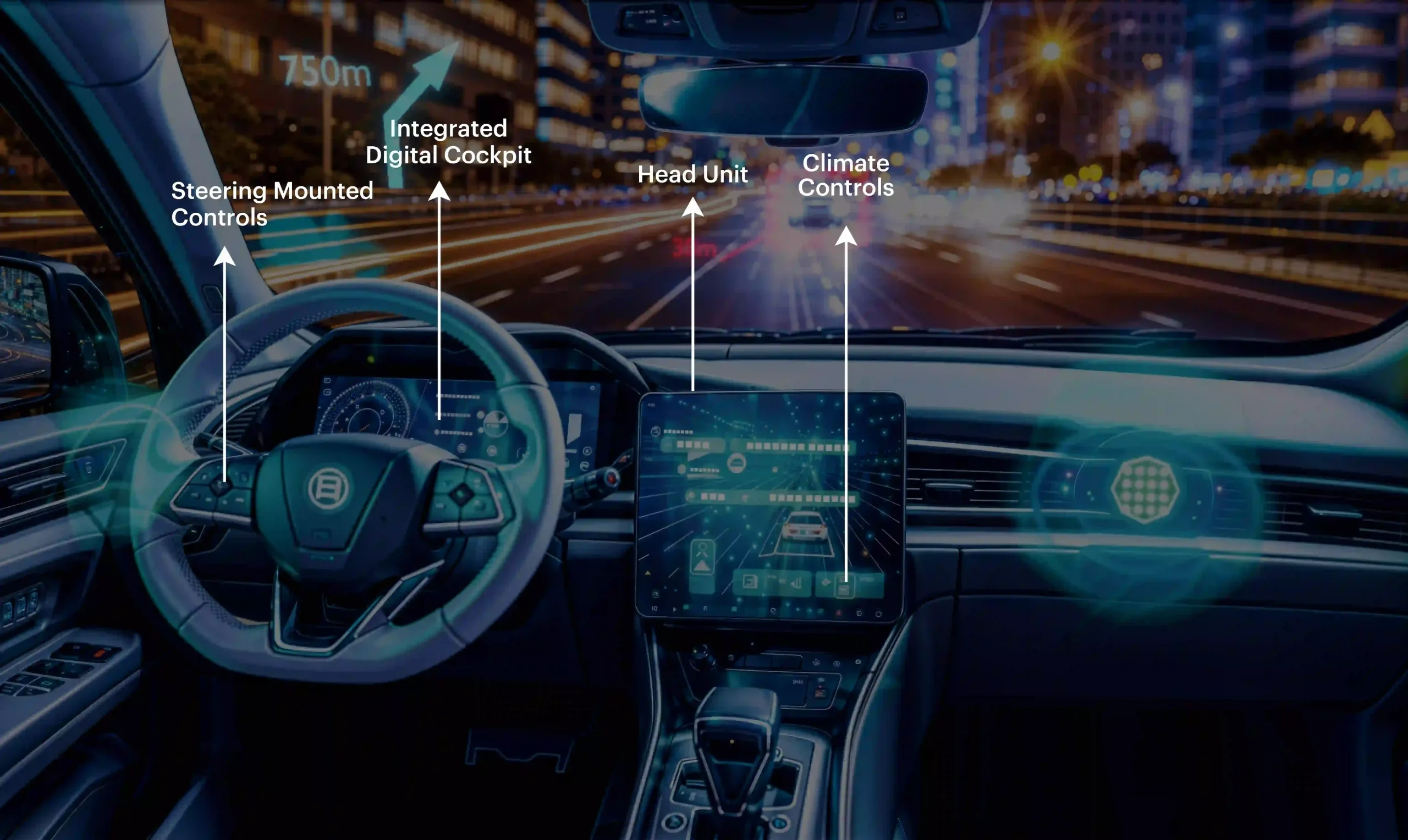
The modern automobile is no longer just a machine—it’s becoming a connected digital ecosystem on wheels. Smart cars integrate advanced software, sensors, and internet connectivity to enhance safety, efficiency, and the overall driving experience. As technology evolves, connected vehicles are reshaping how we interact with transportation.
What Are Smart Cars?
A smart car is equipped with internet connectivity and intelligent systems that allow it to communicate with external devices, networks, and other vehicles.
Core capabilities:
- Real-time data exchange
- Remote control and monitoring
- Integration with mobile apps and cloud services
These features enable vehicles to become more responsive, efficient, and user-friendly.
Key Components of Connected Vehicle Technology
Connected vehicles rely on multiple technologies working together seamlessly.
Essential elements include:
- Telematics systems: Collect and transmit vehicle data
- Sensors and IoT devices: Monitor performance and surroundings
- Cloud computing: Stores and processes large amounts of data
- Wireless communication: Enables real-time connectivity
Vehicle-to-Everything (V2X) Communication
One of the most important aspects of smart cars is V2X communication, which allows vehicles to interact with their environment.
Types of V2X:
- Vehicle-to-Vehicle (V2V): Shares data like speed and position
- Vehicle-to-Infrastructure (V2I): Communicates with traffic lights and road systems
- Vehicle-to-Pedestrian (V2P): Detects and alerts about nearby pedestrians
Benefits:
- Reduces accidents
- Improves traffic flow
- Enhances road awareness
Smart Infotainment Systems
Infotainment has evolved into a central hub for connectivity and convenience.
Features include:
- Touchscreen interfaces
- Voice commands
- Smartphone integration (navigation, music, calls)
Advantages:
- Hands-free control
- Personalized driving experience
- Seamless access to apps and services
Remote Access and Control
Smart cars allow drivers to interact with their vehicles even when they are not inside.
Common remote features:
- Locking and unlocking doors
- Starting or stopping the engine
- Tracking vehicle location
- Monitoring fuel levels and battery status
This level of control adds both convenience and security.
Over-the-Air (OTA) Updates
Software updates are no longer limited to service centers.
OTA updates allow:
- Automatic software improvements
- Bug fixes and security patches
- New feature additions
Impact:
- Keeps vehicles up-to-date
- Reduces maintenance visits
Safety and Predictive Maintenance
Connected vehicles use data to enhance safety and prevent breakdowns.
Safety features:
- Real-time alerts for hazards
- Driver assistance systems
Predictive maintenance:
- Detects potential issues before failure
- Notifies drivers about required servicing
Benefits of Smart Cars
Smart and connected vehicles offer several practical advantages.
1. Improved Safety
- Real-time alerts and communication reduce accidents
2. Enhanced Efficiency
- Optimized routes save fuel and time
3. Greater Convenience
- Remote access and automation simplify daily use
4. Personalized Experience
- Custom settings for drivers and passengers
Challenges and Concerns
Despite their benefits, smart cars come with certain challenges.
Key concerns:
- Data privacy: Sensitive information may be vulnerable
- Cybersecurity risks: Potential for hacking
- High costs: Advanced features increase vehicle price
- Dependence on connectivity: Performance may rely on network availability
The Future of Connected Vehicles
The future of smart cars lies in deeper integration with emerging technologies.
Expected advancements:
- Integration with smart cities
- Enhanced AI-driven decision-making
- Expansion of autonomous driving capabilities
As connectivity improves, vehicles will become more intelligent, efficient, and interactive.
Final Thoughts
Smart cars and connected vehicle technology are redefining mobility. By combining digital intelligence with traditional engineering, these vehicles offer safer, more efficient, and more convenient driving experiences. While challenges remain, the rapid pace of innovation suggests a future where connected cars become the standard.
FAQs
1. What is the difference between a smart car and a connected car?
A smart car focuses on intelligent features within the vehicle, while a connected car emphasizes communication with external systems and networks.
2. Do smart cars require internet connectivity at all times?
Many features rely on internet access, but some functions can still operate offline.
3. Are connected vehicles safe from hacking?
Manufacturers implement security measures, but cybersecurity remains an ongoing challenge.
4. Can smart cars improve fuel efficiency?
Yes, features like route optimization and real-time data can help reduce fuel consumption.
5. What is telematics in vehicles?
Telematics refers to systems that collect and transmit data about vehicle performance and usage.
6. Are OTA updates necessary for vehicles?
They are not mandatory but help keep software updated and improve performance over time.
7. Will all cars become connected in the future?
Most new vehicles are expected to include some level of connectivity as technology becomes more widespread.