
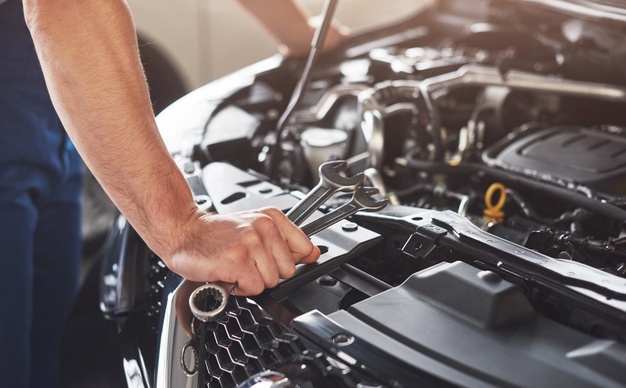
Car ownership doesn’t have to mean frequent, expensive repairs. In most cases, high repair bills are the result of neglected maintenance. By staying consistent with basic upkeep, you can catch minor issues early, prevent system failures, and significantly reduce long-term expenses.
The True Cost of Ignoring Maintenance
Skipping routine maintenance may seem like a way to save money, but it often leads to bigger problems.
Common consequences:
- Engine damage due to old oil
- Brake failure from worn pads
- Tire blowouts from poor maintenance
These issues typically cost far more to fix than routine servicing.
Early Detection Prevents Major Repairs
Regular inspections help identify problems before they escalate.
Examples:
- Small oil leaks detected early can prevent engine damage
- Worn brake pads replaced in time protect rotors
- Minor coolant issues prevent overheating
Result: Lower repair costs and fewer unexpected breakdowns.
Improved Engine Efficiency
A well-maintained engine runs smoothly and uses fuel efficiently.
Key maintenance tasks:
- Regular oil changes
- Clean air filters
- Proper fuel system care
Benefits:
- Reduced engine wear
- Better mileage
- Lower long-term repair costs
Extending the Lifespan of Components
Routine maintenance helps parts last longer.
Components affected:
- Engine and transmission
- Battery and electrical systems
- Suspension and tires
Replacing parts only when necessary—rather than prematurely—saves money over time.
Preventing Chain Reactions of Damage
One neglected issue can affect multiple systems.
For example:
- Ignoring a coolant leak can overheat the engine
- A failing belt can damage other engine components
Regular maintenance breaks this chain and prevents widespread damage.
Maintaining Optimal Fluid Levels
Fluids are essential for smooth operation.
Important fluids to monitor:
- Engine oil
- Coolant
- Brake fluid
- Transmission fluid
Why it matters:
- Prevents friction and overheating
- Protects internal components
Enhancing Safety and Avoiding Accidents
Poor maintenance increases the risk of accidents, which can lead to costly repairs.
Critical checks:
- Brake performance
- Tire condition
- Steering response
Safe driving conditions reduce the likelihood of collisions and associated repair costs.
Better Fuel Economy Saves Money
Maintenance doesn’t just prevent repairs—it also improves fuel efficiency.
How:
- Proper tire pressure reduces resistance
- Clean filters improve combustion
- Well-tuned engines use fuel more effectively
This results in consistent savings over time.
Preserving Warranty Coverage
Many manufacturers require regular servicing to maintain warranty validity.
Why it’s important:
- Missed maintenance may void warranty
- You could end up paying for repairs that would have been covered
Higher Resale Value
A well-maintained car retains its value better.
Buyers prefer:
- Documented service history
- Vehicles in good condition
- Cars with fewer mechanical issues
This translates into better resale or trade-in value.
Final Thoughts
Regular maintenance is one of the smartest financial decisions a car owner can make. It minimizes repair costs, improves performance, and ensures long-term reliability. Instead of waiting for something to go wrong, proactive care keeps your vehicle running efficiently and your expenses under control.
FAQs
1. How often should I perform routine car maintenance?
Most vehicles require servicing every 5,000–10,000 km or every 6 months, depending on usage.
2. Can regular maintenance really prevent major repairs?
Yes, early detection and timely servicing prevent small issues from turning into costly problems.
3. What is the most important maintenance task?
Regular oil changes are among the most critical for engine health.
4. Does maintenance improve fuel efficiency?
Yes, a well-maintained car uses fuel more efficiently, saving money over time.
5. Is it cheaper to maintain a car or repair it?
Maintenance is significantly cheaper than major repairs caused by neglect.
6. How does maintenance affect car resale value?
A well-maintained car with service records typically sells at a higher price.
7. What happens if I delay minor repairs?
Delaying small fixes can lead to bigger issues, increasing overall repair costs.