
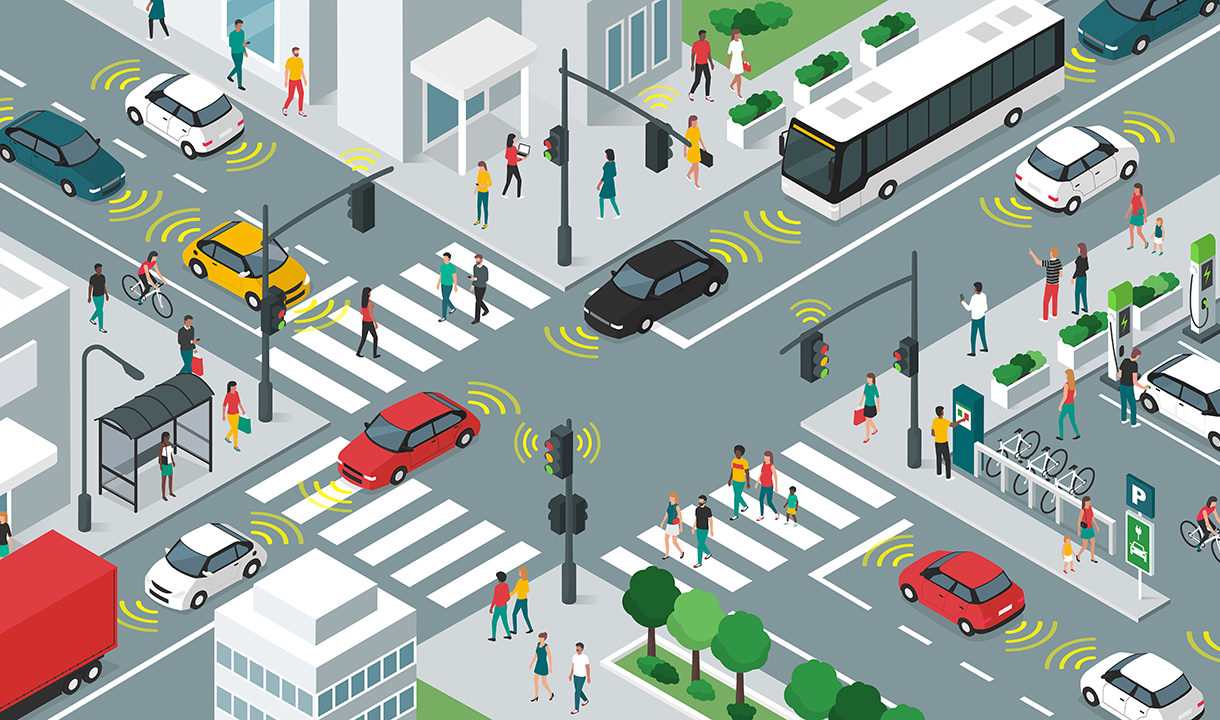
Transportation systems are the backbone of modern society. They enable the movement of people, goods, and services, supporting economic growth and daily life. An efficient transportation system not only saves time and money but also improves safety, reduces environmental impact, and enhances overall quality of life.
What Is an Efficient Transportation System?
An efficient transportation system is one that ensures smooth, reliable, and timely movement with minimal congestion and resource waste.
Key characteristics:
- Well-maintained infrastructure
- Optimized traffic flow
- Integration of multiple transport modes
- Use of technology for management and monitoring
Economic Benefits of Efficient Transportation
Transportation plays a crucial role in economic development.
Key advantages:
- Faster movement of goods reduces delivery time
- Lower transportation costs improve business profitability
- Enhanced connectivity supports trade and commerce
Efficient systems help businesses operate smoothly and expand their reach.
Reduced Traffic Congestion
Traffic congestion leads to wasted time, fuel, and productivity.
How efficiency helps:
- Improved road design and planning
- Smart traffic management systems
- Better public transport options
Results:
- Shorter travel times
- Reduced fuel consumption
- Less stress for commuters
Environmental Impact
Transportation significantly affects the environment.
Efficient systems contribute to:
- Lower carbon emissions
- Reduced fuel consumption
- Promotion of eco-friendly transport options
Encouraging public transportation and cleaner vehicles helps create sustainable cities.
Improved Safety
Well-designed transportation systems reduce accidents and improve road safety.
Safety improvements include:
- Better road infrastructure
- Advanced traffic control systems
- Clear signage and regulations
Fewer accidents mean safer travel for everyone.
Enhanced Accessibility and Mobility
Efficient transportation ensures that people can move easily across regions.
Benefits:
- Improved access to jobs and education
- Better connectivity between urban and rural areas
- Increased mobility for all age groups
This promotes social and economic inclusion.
Role of Technology in Transportation
Technology is transforming transportation systems worldwide.
Innovations include:
- Smart traffic signals
- GPS-based navigation
- Real-time transport tracking
- Autonomous and connected vehicles
These advancements improve efficiency, safety, and convenience.
Support for Urban Development
Efficient transportation is essential for growing cities.
Impact on urban areas:
- Reduces overcrowding
- Supports planned development
- Enhances infrastructure utilization
Cities with strong transport systems are more livable and productive.
Challenges in Achieving Efficiency
Despite its importance, building efficient systems is complex.
Common challenges:
- High infrastructure costs
- Rapid urbanization
- Environmental concerns
- Policy and planning issues
Addressing these challenges requires long-term planning and investment.
Future of Transportation Systems
The future focuses on sustainability and smart solutions.
Emerging trends:
- Electric and autonomous vehicles
- Integrated mobility platforms
- Smart cities and connected infrastructure
- Expansion of public transport networks
These developments aim to create faster, cleaner, and more reliable transportation systems.
Final Thoughts
Efficient transportation systems are vital for economic growth, environmental sustainability, and improved quality of life. By investing in infrastructure, technology, and smart planning, societies can build systems that meet current needs while preparing for the future.
FAQs
1. Why are transportation systems important for the economy?
They enable the movement of goods and people, supporting trade, jobs, and business growth.
2. How does transportation affect the environment?
It contributes to emissions, but efficient systems can reduce environmental impact.
3. What is the role of public transport in efficiency?
Public transport reduces traffic congestion and lowers overall fuel consumption.
4. How can technology improve transportation systems?
Technology enhances traffic management, safety, and real-time tracking.
5. What challenges do transportation systems face today?
High costs, urbanization, and environmental concerns are major challenges.
6. How does efficient transportation improve daily life?
It reduces travel time, improves safety, and increases accessibility.
7. What is the future of transportation systems?
The future includes smart, connected, and sustainable mobility solutions.
