
Owning a car comes with ongoing responsibilities, and regular maintenance is the key to avoiding expensive breakdowns. Many major repairs stem from small issues that were ignored for too long. By following a few essential maintenance practices, you can extend your vehicle’s life, improve performance, and save money in the long run.
Why Regular Car Maintenance Matters
Routine maintenance ensures that all components of your vehicle function properly and efficiently.
Key benefits:
- Prevents unexpected breakdowns
- Improves fuel efficiency
- Enhances safety
- Maintains resale value
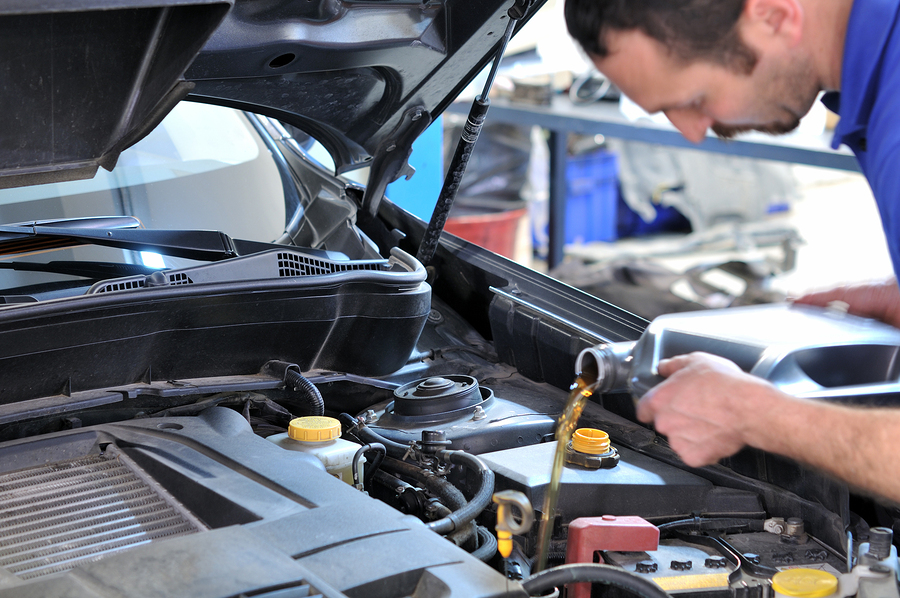
Check and Change Engine Oil Regularly
Engine oil lubricates moving parts and prevents overheating.
Best practices:
- Check oil level monthly
- Change oil every 5,000–10,000 km (depending on vehicle type)
- Use manufacturer-recommended oil
Warning signs:
- Dark or dirty oil
- Engine noise or overheating
Monitor Tire Health and Pressure
Tires directly affect safety, fuel efficiency, and handling.
What to do:
- Check tire pressure every 2–3 weeks
- Rotate tires every 8,000–10,000 km
- Inspect for uneven wear or damage
Why it matters:
- Proper inflation improves mileage
- Reduces risk of blowouts
Inspect Brake System Frequently
Brakes are one of the most critical safety components.
Maintenance tips:
- Listen for squeaking or grinding sounds
- Check brake fluid levels
- Replace brake pads when worn
Ignoring brake issues can lead to costly repairs and serious safety risks.
Keep the Battery in Good Condition
A weak battery can leave you stranded without warning.
Tips:
- Clean battery terminals
- Check voltage periodically
- Replace every 3–5 years
Signs of trouble:
- Slow engine start
- Electrical issues
Replace Air Filters on Time
Air filters prevent dust and debris from entering the engine.
Maintenance schedule:
- Replace every 10,000–15,000 km
Benefits:
- Better engine performance
- Improved fuel efficiency
Maintain Proper Coolant Levels
Coolant regulates engine temperature and prevents overheating.
What to check:
- Coolant level in the reservoir
- Signs of leaks
Important tip:
- Flush and replace coolant as recommended by the manufacturer
Check Belts and Hoses
Belts and hoses are often overlooked but critical for engine operation.
Inspect for:
- Cracks or fraying
- Leaks or bulges
Replacing worn belts early can prevent major engine damage.
Follow the Service Schedule
Every vehicle comes with a recommended maintenance schedule.
Stick to:
- Periodic servicing intervals
- Manufacturer guidelines
This ensures all systems are checked and maintained properly.
Keep Your Car Clean Inside and Out
Cleanliness isn’t just about appearance—it also protects your vehicle.
Benefits:
- Prevents rust and corrosion
- Preserves paint quality
- Maintains interior condition
Regular washing and waxing can extend your car’s lifespan.
Pay Attention to Warning Lights
Modern cars are equipped with dashboard warning indicators.
Never ignore:
- Check engine light
- Battery warning
- Oil pressure alert
Prompt action can prevent minor issues from becoming major problems.
Final Thoughts
Preventive maintenance is always more affordable than repairs. By staying proactive and addressing small issues early, you can keep your car running smoothly and avoid unexpected expenses. A well-maintained vehicle not only performs better but also ensures safety and reliability over time.
FAQs
1. How often should I service my car?
Most cars should be serviced every 6 months or 5,000–10,000 km, depending on usage.
2. What happens if I skip oil changes?
Skipping oil changes can lead to engine wear, overheating, and costly damage.
3. How do I know if my tires need replacement?
Look for low tread depth, cracks, or frequent air loss.
4. Is regular maintenance expensive?
Routine maintenance is relatively affordable and helps avoid costly repairs later.
5. Can I perform basic maintenance myself?
Yes, tasks like checking oil, tire pressure, and replacing air filters can be done at home.
6. Why is my car consuming more fuel than usual?
Possible reasons include low tire pressure, dirty air filters, or engine issues.
7. What should I do if a warning light appears?
Refer to the owner’s manual and get the vehicle checked by a professional as soon as possible.
