
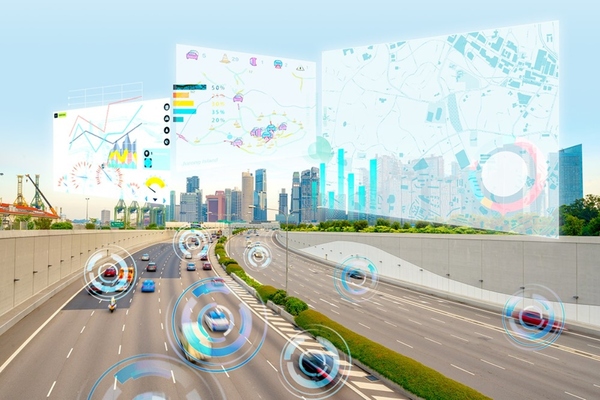
Mobility is undergoing a major transformation. The traditional model of car ownership is being reshaped by technology, sustainability goals, and changing consumer expectations. Automotive mobility solutions now focus on efficiency, accessibility, and environmental responsibility, redefining how people and goods move.
What Are Automotive Mobility Solutions?
Automotive mobility solutions refer to integrated transportation systems that combine vehicles, technology, and services to improve movement in urban and rural areas.
Core elements include:
- Shared transportation services
- Electric and autonomous vehicles
- Digital platforms for mobility management
These solutions aim to reduce congestion, lower emissions, and enhance user convenience.
Rise of Electric Mobility
Electric vehicles (EVs) are at the forefront of the mobility revolution.
Why EVs are gaining traction:
- Lower carbon emissions
- Reduced fuel dependency
- Lower operating costs over time
Supporting developments:
- Expansion of charging infrastructure
- Government incentives and policies
- Advancements in battery technology
Shared Mobility and Ride Services
Ownership is no longer the only option. Shared mobility services are becoming increasingly popular.
Examples:
- Ride-hailing platforms
- Car-sharing services
- Bike and scooter sharing
Benefits:
- Reduced traffic congestion
- Lower transportation costs
- Efficient use of resources
Autonomous Vehicles in Mobility Ecosystems
Self-driving technology plays a key role in future mobility.
Potential impact:
- Safer transportation systems
- Reduced human error
- Increased accessibility for non-drivers
Use cases:
- Autonomous taxis
- Driverless public transport
- Logistics and delivery services
Mobility-as-a-Service (MaaS)
MaaS integrates various transportation modes into a single platform.
Key features:
- Unified booking and payment systems
- Real-time route planning
- Personalized travel options
Advantages:
- Seamless travel experience
- Reduced reliance on private vehicles
Smart Cities and Connected Infrastructure
Future mobility depends on smart infrastructure.
Components:
- Intelligent traffic management systems
- Connected road networks
- Data-driven urban planning
Impact:
- Reduced travel time
- Improved safety
- Better resource utilization
Sustainable Transportation Solutions
Sustainability is a driving force behind innovation.
Key approaches:
- Electrification of vehicles
- Use of renewable energy
- Promotion of public transport
Goal:
- Achieve lower emissions and cleaner cities
Challenges in Future Mobility
Despite rapid progress, several challenges remain.
Major concerns:
- High infrastructure costs
- Regulatory and policy barriers
- Data privacy and cybersecurity risks
- Public acceptance of new technologies
The Role of Artificial Intelligence
AI is central to modern mobility solutions.
Applications:
- Traffic prediction and management
- Autonomous driving systems
- Personalized travel recommendations
AI enables smarter, faster, and more efficient transportation systems.
Future Trends to Watch
The automotive mobility landscape continues to evolve.
Emerging trends:
- Integration of multiple transport modes
- Expansion of autonomous fleets
- Growth of subscription-based vehicle services
- Increased focus on sustainability and clean energy
Final Thoughts
The future of automotive mobility is not just about vehicles—it’s about creating a connected, efficient, and sustainable transportation ecosystem. As technology advances and cities adapt, mobility solutions will become more accessible, flexible, and environmentally friendly.
FAQs
1. What is Mobility-as-a-Service (MaaS)?
MaaS is a system that integrates different transportation services into a single digital platform for easy access and payment.
2. How do electric vehicles contribute to future mobility?
They reduce emissions, lower operating costs, and support sustainable transportation systems.
3. Will car ownership decline in the future?
It may decrease as shared mobility and subscription services become more popular.
4. Are autonomous vehicles essential for future mobility?
Yes, they play a significant role in improving safety and efficiency within mobility systems.
5. What challenges do mobility solutions face today?
Key challenges include infrastructure costs, regulations, and public acceptance.
6. How do smart cities support mobility solutions?
They use connected infrastructure and data to optimize traffic and improve transportation systems.
7. Is future mobility focused only on urban areas?
No, it also aims to improve transportation in rural and underserved regions.