
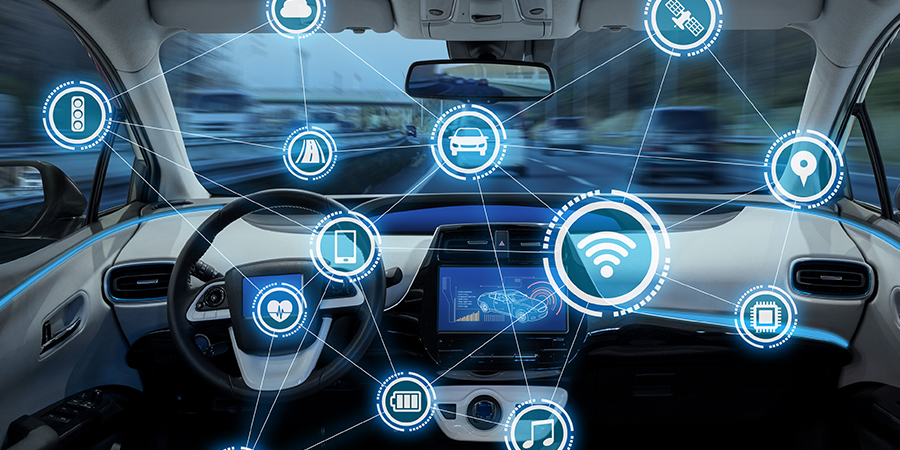
Autonomous vehicles are no longer a distant concept—they are steadily becoming part of modern transportation. With rapid advancements in artificial intelligence, sensors, and connectivity, self-driving cars promise safer roads, reduced congestion, and a fundamentally different driving experience.
What Are Autonomous Vehicles?
Autonomous vehicles (AVs) are cars capable of sensing their environment and operating without human intervention. They rely on a combination of technologies to navigate roads, detect obstacles, and make real-time decisions.
Core technologies include:
- Sensors: Lidar, radar, and cameras to detect surroundings
- Artificial Intelligence (AI): Processes data and makes driving decisions
- GPS and Mapping Systems: Provide accurate location and route planning
- Connectivity: Enables communication with other vehicles and infrastructure
Levels of Vehicle Autonomy
Not all self-driving cars are fully autonomous. The industry defines six levels of automation, from 0 to 5.
Key levels:
- Level 0: No automation (fully manual driving)
- Level 1–2: Driver assistance (cruise control, lane assist)
- Level 3: Conditional automation (car handles most tasks, human backup required)
- Level 4: High automation (limited human intervention in specific conditions)
- Level 5: Full automation (no driver needed at all)
Benefits of Autonomous Vehicles
Autonomous driving technology offers several practical advantages.
1. Enhanced Safety
- Reduces human error, which causes most accidents
- Improves reaction time through real-time data processing
2. Increased Convenience
- Allows passengers to relax, work, or travel without driving
- Reduces fatigue on long journeys
3. Better Traffic Management
- Optimized driving patterns reduce congestion
- Communication between vehicles improves flow
4. Accessibility
- Provides mobility for elderly and disabled individuals
Challenges and Concerns
Despite the promise, autonomous vehicles still face significant hurdles.
Technical challenges:
- Handling unpredictable road conditions
- Accurate decision-making in complex scenarios
Legal and ethical issues:
- Determining liability in accidents
- Ethical programming decisions in emergencies
Infrastructure limitations:
- Need for smart roads and updated traffic systems
Public trust:
- Many people are still hesitant to rely on fully automated systems
Real-World Applications
Autonomous technology is already being tested and used in various ways.
Current uses:
- Ride-hailing services with self-driving fleets
- Autonomous delivery vehicles
- Driver-assist features in modern cars
Industries impacted:
- Transportation and logistics
- Public transit
- Automotive manufacturing
The Role of Artificial Intelligence
AI is the backbone of autonomous vehicles.
How AI works in AVs:
- Analyzes sensor data in milliseconds
- Recognizes objects like pedestrians and traffic signs
- Predicts movement of other vehicles
The accuracy and reliability of AI systems directly influence the safety and performance of autonomous driving.
Future Outlook
The future of autonomous vehicles looks promising, but gradual.
Expected developments:
- Wider adoption of Level 3 and Level 4 vehicles
- Improved safety standards and regulations
- Integration with smart cities and connected infrastructure
While full autonomy (Level 5) may take time, incremental improvements are already reshaping how we drive.
Final Thoughts
Autonomous vehicles represent a major shift in transportation. They have the potential to make roads safer, travel more efficient, and mobility more inclusive. However, technological, legal, and societal challenges must be addressed before fully driverless cars become the norm.
FAQs
1. Are autonomous vehicles completely safe?
No system is completely risk-free, but autonomous vehicles aim to significantly reduce accidents caused by human error.
2. Do self-driving cars require human supervision?
Depending on the level of automation, many current systems still require a human driver as backup.
3. How do autonomous cars detect obstacles?
They use a combination of sensors like lidar, radar, and cameras to map their surroundings.
4. Will autonomous vehicles replace human drivers?
They may reduce the need for drivers in some sectors, but complete replacement will take time.
5. Are autonomous vehicles legal everywhere?
Regulations vary by country, and many regions are still developing laws for their use.
6. How expensive are autonomous vehicles?
Currently, they are costly due to advanced technology, but prices are expected to decrease over time.
7. When will fully autonomous cars be available?
Level 5 autonomy is still under development and may take several years before becoming widely available.
