
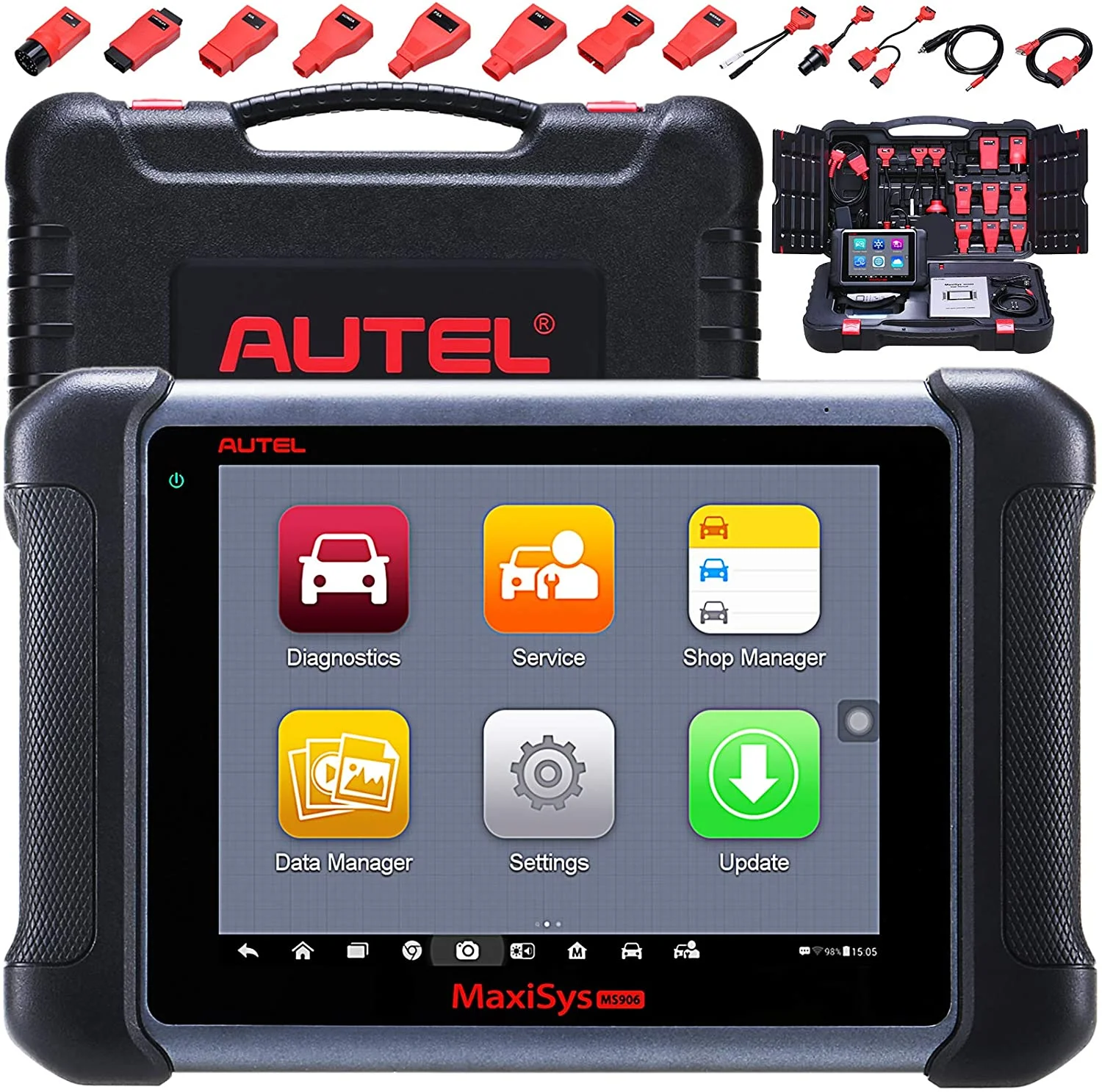
Auto repair has entered a new era driven by technology, precision, and efficiency. Modern vehicles are more complex than ever, and the tools used to service them have evolved just as rapidly. Today’s innovations in auto repair tools are helping technicians diagnose problems faster, perform repairs more accurately, and deliver better outcomes for vehicle owners.
The Shift From Mechanical to Digital Tools
Traditional hand tools are still essential, but modern auto repair increasingly relies on digital and electronic equipment. Vehicles now contain advanced computer systems that require specialized tools to interpret data and manage repairs.
This shift has introduced:
- Computer-based diagnostic platforms
- Software-driven calibration tools
- Sensor and module testing equipment
Digital integration has transformed troubleshooting from guesswork into data-backed precision.
Advanced Diagnostic Scanners
One of the most impactful innovations is the evolution of diagnostic scanners. These tools now go far beyond reading basic error codes.
Modern scanners can:
- Access manufacturer-specific data
- Monitor live system performance
- Identify intermittent or developing faults
- Reset and recalibrate vehicle systems
This level of insight allows technicians to pinpoint issues quickly and accurately.
Wireless and Cloud-Connected Tools
Wireless technology has reduced physical limitations in the repair process. Many tools now connect via Bluetooth or Wi-Fi, enabling real-time data sharing and updates.
Key advantages include:
- Faster access to vehicle data
- Automatic software updates
- Cloud-based repair histories
- Remote technical support integration
These tools improve workflow efficiency and reduce diagnostic time.
Calibration Tools for Advanced Safety Systems
With the rise of advanced driver assistance systems, specialized calibration tools have become essential. Cameras, radar, and sensors must be precisely aligned to function safely.
Calibration tools support:
- Lane-keeping and collision avoidance systems
- Adaptive cruise control
- Blind-spot monitoring accuracy
Without proper calibration equipment, safety features may not perform as intended.
Electric and Hybrid Vehicle Tooling
Electric and hybrid vehicles require a new category of tools designed for high-voltage systems and battery technology.
Innovations in this area include:
- Insulated tools for electrical safety
- Battery diagnostics and balancing equipment
- Thermal monitoring devices
These tools ensure safe handling and proper servicing of electrified vehicles.
Precision Torque and Measurement Tools
Accuracy is critical in modern auto repair. Over-tightening or under-tightening components can lead to failure.
Innovative torque tools now offer:
- Digital torque measurement
- Real-time feedback and alerts
- Data logging for quality control
Precision tools reduce errors and improve long-term reliability.
Augmented Reality and Smart Assistance
Some repair environments now use augmented reality (AR) tools to guide technicians through complex procedures.
These systems can:
- Overlay instructions onto real components
- Highlight correct installation steps
- Reduce training time for new technicians
Smart assistance tools improve consistency and reduce repair errors.
Automation and Efficiency Enhancements
Automation is streamlining repetitive tasks in repair shops. From automated fluid exchange systems to robotic tire mounting, tools are designed to save time and reduce physical strain.
Efficiency-focused tools help by:
- Speeding up routine services
- Reducing technician fatigue
- Increasing shop productivity
This leads to faster service without sacrificing quality.
Final Thoughts
Innovations in auto repair tools are reshaping the automotive service industry. By combining digital diagnostics, wireless connectivity, precision measurement, and advanced safety calibration, modern tools empower technicians to work smarter and more accurately. As vehicles continue to evolve, so will the tools that keep them safe, reliable, and efficient.
Frequently Asked Questions
Why are modern auto repair tools more expensive?
They incorporate advanced electronics, software, and connectivity, which increase development and manufacturing costs.
Do innovative tools reduce repair time?
Yes. Faster diagnostics and precise procedures significantly shorten repair and troubleshooting time.
Are these tools only used by dealerships?
No. Many independent repair shops also invest in advanced tools to service modern vehicles effectively.
Can older vehicles benefit from new repair tools?
Yes. Diagnostic and precision tools often improve accuracy even when working on older models.
Do technicians need special training to use these tools?
Most advanced tools require training to ensure proper use and accurate interpretation of data.
How do innovations improve repair accuracy?
They rely on real-time data, digital measurements, and guided processes rather than manual estimation.
Will auto repair tools continue to evolve?
Absolutely. As vehicles become more connected and automated, repair tools will advance alongside them.