
Protecting children on the road requires more than proper car seat installation. Child safety systems and regular auto maintenance work together to reduce injury risks and ensure a vehicle performs reliably in critical situations. From restraint systems to structural integrity, every component plays a role in keeping young passengers safe.
Understanding Child Safety Systems in Modern Vehicles
Modern vehicles are equipped with multiple safety features designed specifically to protect children during travel.
Core Child Safety Systems
- Child restraint systems, including rear-facing and forward-facing car seats
- LATCH anchors for secure car seat installation
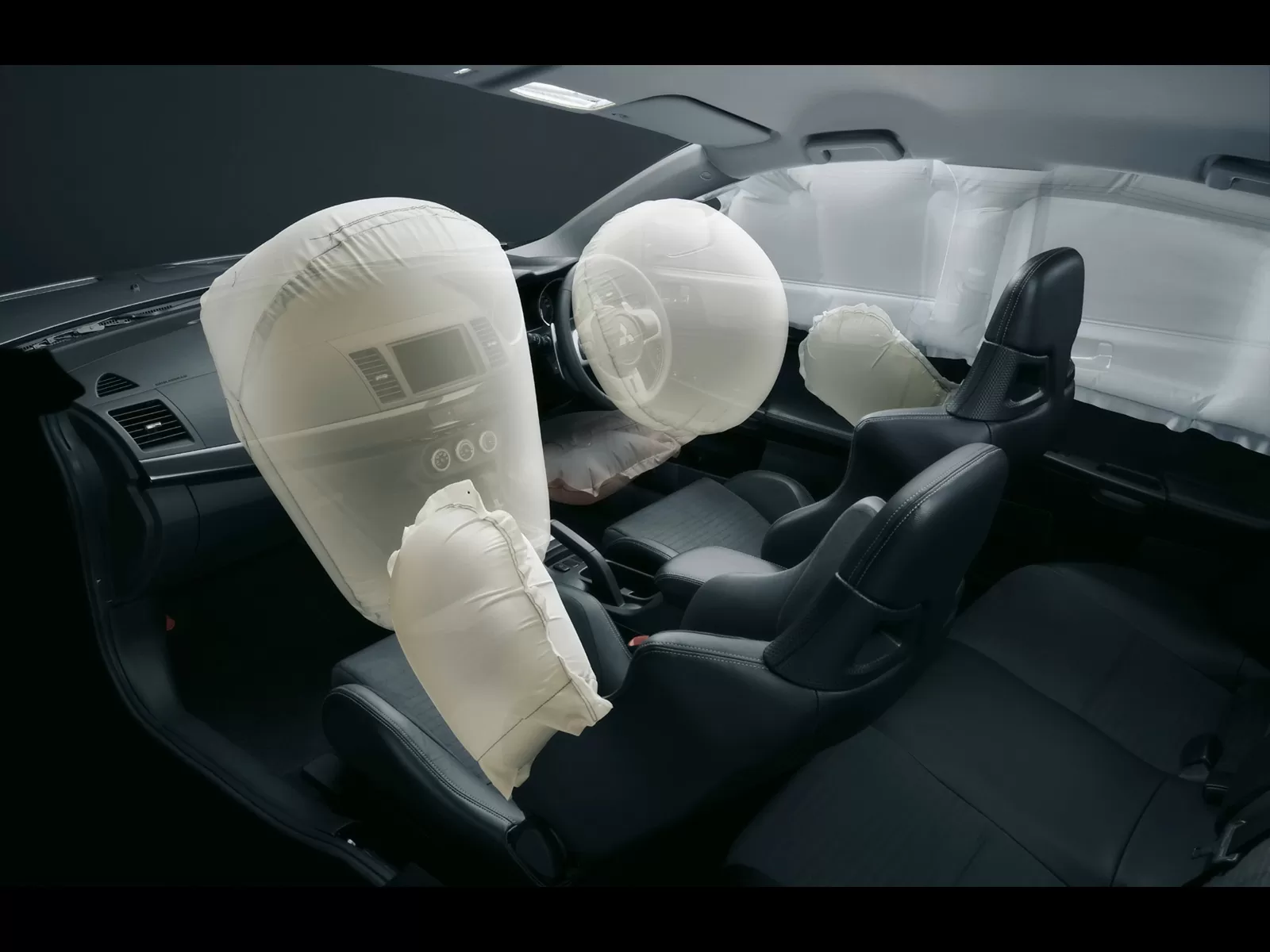
- Rear-seat airbags and side-impact protection
- Child safety door locks and window locks
These systems are engineered to work together, but their effectiveness depends on proper maintenance and condition.
Why Auto Maintenance Is Critical for Child Safety
A vehicle’s safety systems rely on mechanical and electronic components that must function correctly during emergencies.
Maintenance Areas That Affect Child Safety
- Brake responsiveness during sudden stops
- Suspension stability to reduce impact forces
- Tire traction to prevent skidding or rollovers
Neglecting maintenance can compromise safety features, even if child restraints are correctly installed.
Car Seats and Vehicle Condition: A Direct Connection
Even the best car seat cannot perform optimally in a poorly maintained vehicle.
Vehicle Factors That Influence Car Seat Effectiveness
- Worn seat belts that fail to lock properly
- Loose or damaged LATCH anchors
- Uneven seating surfaces caused by structural wear
Routine inspections ensure that child restraints remain secure under stress.
Airbags, Sensors, and Child Passenger Safety
Advanced airbag systems use sensors to detect seating position, weight, and impact severity.
Maintenance Considerations for Airbag Systems
- Faulty sensors can delay or misfire airbag deployment
- Dashboard warning lights should never be ignored
- Software updates may improve detection accuracy
Proper diagnostics help ensure airbags protect children without creating additional risk.
Tire Health and Its Role in Protecting Young Passengers
Tires are often overlooked in child safety discussions, yet they directly affect crash prevention.
Tire Maintenance Benefits
- Improved braking distance
- Better handling during evasive maneuvers
- Reduced risk of blowouts at highway speeds
Maintaining correct tire pressure and tread depth contributes to overall vehicle stability.
Seasonal Maintenance and Child Safety Risks
Changing weather conditions introduce new hazards that can affect child passengers.
Cold Weather Concerns
- Reduced tire grip on icy roads
- Battery strain affecting safety electronics
- Slower braking response
Hot Weather Concerns
- Increased tire pressure and blowout risk
- Cabin overheating risks for children
- Stress on cooling and electrical systems
Seasonal inspections help vehicles adapt to these risks and maintain safe operation.
Teaching Safe Habits Alongside Vehicle Care
Auto maintenance supports child safety, but driver behavior also matters.
Best Practices for Parents and Caregivers
- Always secure children in age-appropriate seats
- Regularly check seat installation and tightness
- Schedule vehicle inspections before long trips
Safety is most effective when responsible driving habits and vehicle care align.
Building a Child-Focused Vehicle Maintenance Plan
Families benefit from maintenance routines tailored to child safety needs.
Recommended Maintenance Priorities
- Frequent brake and tire inspections
- Seat belt and anchor point checks
- Prompt attention to warning lights
A proactive approach reduces risks and provides peace of mind for parents.
Frequently Asked Questions (FAQs)
1. How often should car seat anchors be inspected?
They should be checked during routine service visits or whenever a car seat is reinstalled.
2. Can worn suspension parts affect child safety?
Yes, poor suspension increases vehicle instability and impact forces during sudden stops.
3. Are older vehicles less safe for child passengers?
Older vehicles may lack modern safety features, making maintenance and proper restraints even more critical.
4. Do child safety systems require software updates?
Some advanced safety systems rely on software that may need updates to function correctly.
5. How do warning lights relate to child safety?
Warning lights often indicate issues with brakes, airbags, or sensors that directly impact passenger protection.
6. Is professional car seat installation recommended?
Yes, certified inspections ensure seats are installed correctly and securely.
7. Does regular maintenance lower the risk of accidents involving children?
Yes, well-maintained vehicles are less likely to experience failures that lead to accidents.
